Teach students about this history of Barbie, reflect on their own experiences with Barbie and consider what identity groups may be missing from Barbie's collection.
Teach students about data from Pew's survey about teens and social media, help them reflect on their own social media use and explore how race, gender and socioeconomic status impact online use.
Teach students about what gossip and rumors are and the impact they have on others, especially those identity groups which may be more vulnerable to and marginalized by rumors and gossip.
Increase your awareness of religious obligations and ethnic and cultural festivities that may affect students, colleagues and neighbors in your community.
GRADE LEVEL: Elementary School, Middle School, High School
COMMON CORE STANDARDS: Reading, Writing, Language, Speaking and Listening In commemoration of Women’s History Month, this resource helps educators engage students in thinking broadly and critically about the experience of women and gender in all of its complexity. In highlighting the significant events as well as people that have made a substantial contribution to women’s experience, instruction should…
GRADE LEVEL: Elementary School
COMMON CORE STANDARDS: Reading, Speaking and Listening The First Girl to Pitch a Shutout in the Little League World Series
In 2014 Mo’Ne Davis, a 13-year-old girl, made news headlines as the first girl to ever pitch a shutout in the Little League World series. At that time she was considered the “most talked about baseball player on earth right now” according to many observers in the sports world. Mo’Ne (pronounced Moh-nay…
GRADE LEVEL: Elementary School
COMMON CORE STANDARDS: Reading, Writing, Language Using Poetry to Teach about Identity
Reading and writing poetry can provide an opening for young people to explore the various aspects of their identity, including their name, race and ethnicity, physical characteristics and more.
April is National Poetry Month, a good opportunity to explore poetry with your students. Because poetry does not require strict sentence structure or the usual grammar rules…
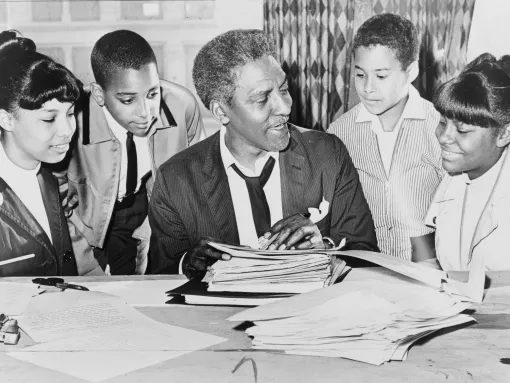
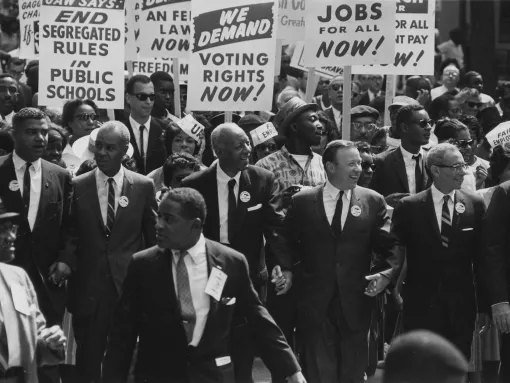
The Civil Rights Movement of the 1950’s and 1960’s came about out of the need and desire for equality and freedom for African Americans and other people of color. Nearly one hundred years after slavery was abolished, there was widespread segregation, discrimination, disenfranchisement and racially motivated violence that permeated all personal and structural aspects of life for black people. “Jim Crow” laws at the local and state levels barred African Americans from…