Explore our short, self-guided learning modules to help familiarize educators with ADL's anti-bias framework, core themes and topics.
19 Results
Back
A collection of picture and chapter books that explore the power of words.

Help students explore and think critically about films on the Jewish experience.

Use this collection of picture books to talk about holidays and observances.

Teach students about this history of Barbie, reflect on their own experiences with Barbie and consider what identity groups may be missing from Barbie's collection.

Teach students about data from Pew's survey about teens and social media, help them reflect on their own social media use and explore how race, gender and socioeconomic status impact online use.

Use this collection of classroom activities about holidays and observances to enhance students' understanding of our multicultural society and world.
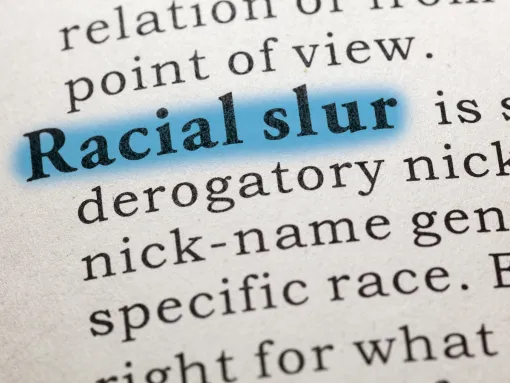
Teach students about the history of the N-word, its harm and impact and engage them in exploring school-based scenarios.

There are many benefits to humor. A good joke can ease tension in a stressful situation. Humor can connect people and bring them together. Jokes can bring levity to a situation that begs for lightheartedness. Being funny can signal to others who you are. Humor can even open a conversation that previously felt closed or off-limits. However, jokes and humor, when they target social identity groups, can do the opposite. They can make people feel unsafe, disconnected, excluded and…

Teach students about what gossip and rumors are and the impact they have on others, especially those identity groups which may be more vulnerable to and marginalized by rumors and gossip.

Increase your awareness of religious obligations and ethnic and cultural festivities that may affect students, colleagues and neighbors in your community.
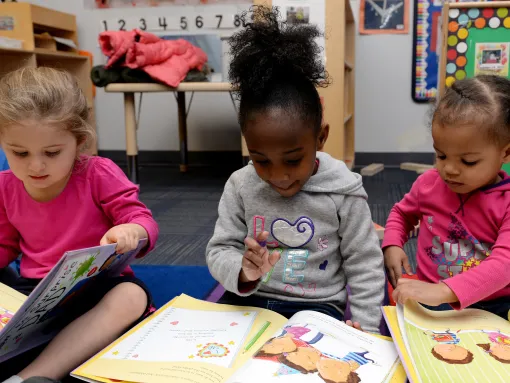
Teach students about the importance of diverse literature and engage them in a study on the diversity of books in their classroom or school library.

Teach students about why slurs are and why they are harmful, helping them explore possible responses to slurs when they hear them.

GRADE LEVEL: Elementary School, Middle School, High School
COMMON CORE STANDARDS: Reading, Writing, Language, Speaking and Listening In commemoration of Women’s History Month, this resource helps educators engage students in thinking broadly and critically about the experience of women and gender in all of its complexity. In highlighting the significant events as well as people that have made a substantial contribution to women’s experience, instruction should…
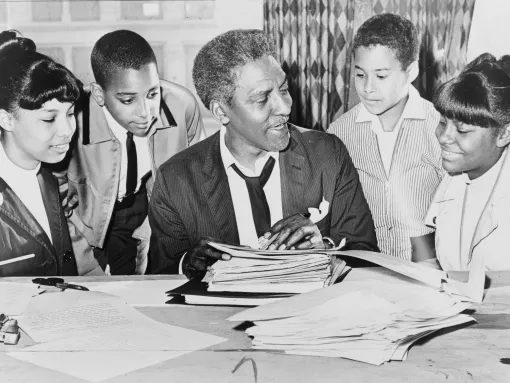
Engage students in activities that get them to think broadly and critically about the Black experience in all of its complexity.

GRADE LEVEL: Elementary School
COMMON CORE STANDARDS: Reading, Speaking and Listening The First Girl to Pitch a Shutout in the Little League World Series
In 2014 Mo’Ne Davis, a 13-year-old girl, made news headlines as the first girl to ever pitch a shutout in the Little League World series. At that time she was considered the “most talked about baseball player on earth right now” according to many observers in the sports world. Mo’Ne (pronounced Moh-nay…
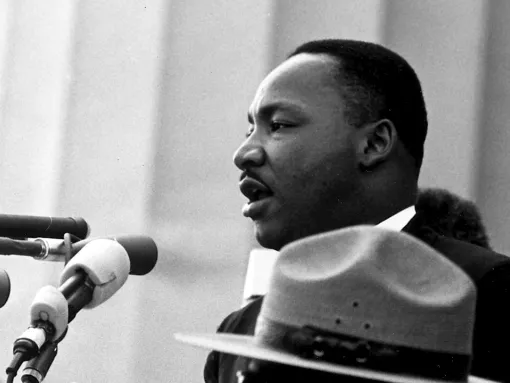
GRADE LEVEL: Elementary School, Middle School, High School
COMMON CORE STANDARDS: Reading, Writing, Speaking and Listening, History/Social Studies In commemoration of Martin Luther King, Jr. Day, this curriculum for grades 3–12 provides grade-specific lessons, resources and extension activities to provide your students opportunities to examine civil rights in the United States past and present. The lessons provide an opportunity for students to delve deeper into Martin Luther King Jr…
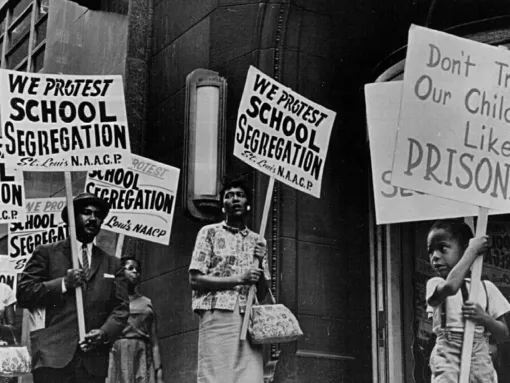
GRADE LEVEL: Middle School, High School COMMON CORE STANDARDS: Reading, Speaking and Listening, Language “We conclude that in the field of public education the doctrine of ‘separate but equal’ has no place. Separate educational facilities are inherently unequal.” These are the words of the landmark Supreme Court decision on May 17, 1954 that declared segregated schools unconstitutional. More than seventy years later, even though much progress has been made, there are…

GRADE LEVEL: Elementary School
COMMON CORE STANDARDS: Reading, Writing, Language Using Poetry to Teach about Identity
Reading and writing poetry can provide an opening for young people to explore the various aspects of their identity, including their name, race and ethnicity, physical characteristics and more.
April is National Poetry Month, a good opportunity to explore poetry with your students. Because poetry does not require strict sentence structure or the usual grammar rules…