Conversations that Matter: Understanding and Discussing Antisemitism with Young People
Tools and Strategies
This resource assists parents, families and other trusted adults in understanding and helping the young people in their lives who are facing antisemitism—in school, online, in communities.
Identity-Based Bullying: Listening to Young People
Tools and Strategies
Table Talk: Family Conversations about Current EventsAll young people should be able to feel safe, included and respected in their classrooms and schools. Unfortunately, many do not. A recent study of high school students found that nearly four in ten students experienced identity-based bullying or bullying related to an aspect of their identity such as race, religion, sexual orientation, gender identity or physical appearance. How can we listen and learn from young people about…
Crisis, Controversy and Activism: Tips and Guidance for K-12 Schools
Tools and Strategies
Tips and guidance for helping K-12 schools encourage students to become civically engaged, provide safety and protection for all students, and adhere to students’ First Amendment rights.
Teach students about what gossip and rumors are and the impact they have on others, especially those identity groups which may be more vulnerable to and marginalized by rumors and gossip.
For Educators | For Parents, Families, and Caregivers | For Students Here are some simple things you can do to be an ally to targets of name-calling and bullying. And remember—always think about your safety first when deciding the best way to respond. 1. Support targets, whether you know them or not.Show compassion and encouragement to those who are the targets of bullying behavior by asking if they’re okay, going with them to get help and letting them know you are there for them…
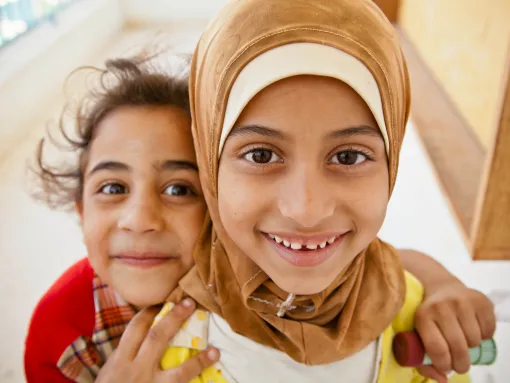
Table Talk: Family Conversations About Current EventsWhen there are periods of heightened violence and war in the news, oftentimes one or more marginalized identity groups can become the focus of attention, anger, hostility and bias even far removed from the location of the conflict. When there is conflict in the Middle East, Muslims and Muslim Americans often face such hostility, bias and even violence. With the continued scrutiny and conflict with Israel since 2023, ADL has tracked an uptick…
Civics Lesson
GRADE LEVEL: High School What are Human Rights?
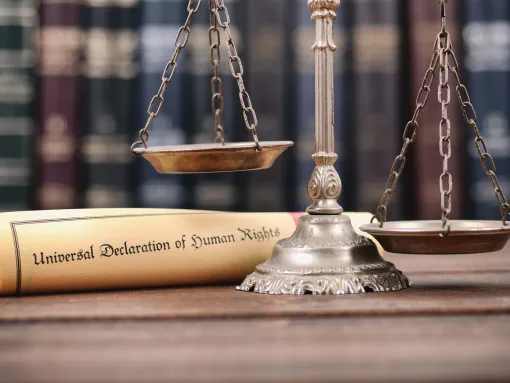
What is the Universal Declaration of Human Rights?
In 1946, in the immediate aftermath of World War II, with hopes of preventing future atrocities, an international committee with varied legal and cultural backgrounds began to draft the Universal Declaration of Human Rights (UDHR). The UDHR was proclaimed by the new United Nations General Assembly in 1948. This document contains 30 Articles that set a standard…
Echoes & Reflections: Teaching the HolocaustGRADE LEVEL: Middle School, High School
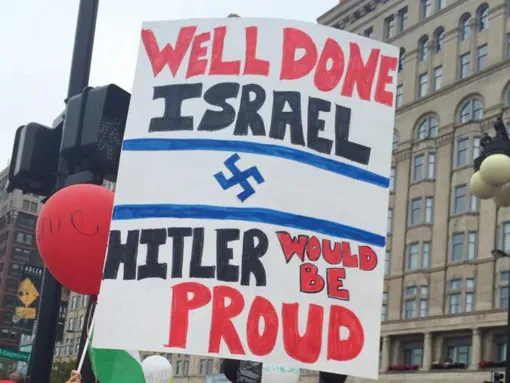
COMMON CORE STANDARDS: Reading, Writing, Speaking and Listening, Language The lessons in this unit increase students’ understanding of Jewish people and awareness that antisemitism did not end after the Holocaust, and provide them with opportunities to learn about the persistence of antisemitism in its contemporary forms. Students investigate the ways in which old ideas about Jews and Judaism have…
Important Books to Explore Bullying and Ally Behavior
Tools and Strategies
While bullying is still a problem in schools, the intersection of bias and bullying can be particularly harmful. Identity-based bullying is when a person is targeted based on an essential part of their identity (e.g., race, immigration status, sexual orientation, religion, or gender identity). It is common in schools and not only impacts the targeted person but everyone else around them that shares their identity. Identity-based bullying can leave all students feeling unsafe and fearful that…
Teach students about the U.S. women’s soccer team’s lawsuit against the U.S. Soccer Federation and explore how sexism manifests in a variety of ways in women’s sports.
GRADE LEVEL: High School
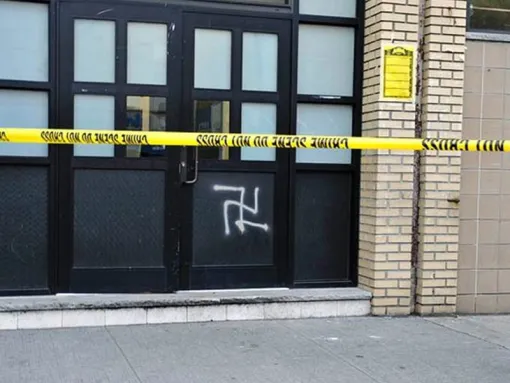
COMMON CORE STANDARDS: Reading, Writing, Language We see symbols every day in all aspects of our lives. Symbols are used to convey ideas, qualities, emotions, material objects/products, opinions and beliefs. Unfortunately, symbols are also used to convey hate and bias. Lately, we have seen a lot of hate symbol graffiti in public spaces and specifically the swastika, which in most circumstances is understood as an expression of antisemitism. There has reportedly…