Explore our short, self-guided learning modules to help familiarize educators with ADL's anti-bias framework, core themes and topics.
10 Results
Back
Help students explore and think critically about films on the Jewish experience.
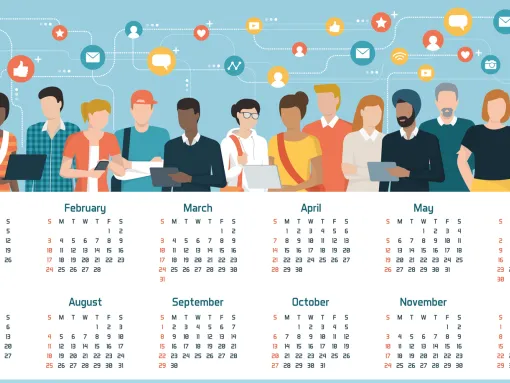
Use this collection of classroom activities about holidays and observances to enhance students' understanding of our multicultural society and world.
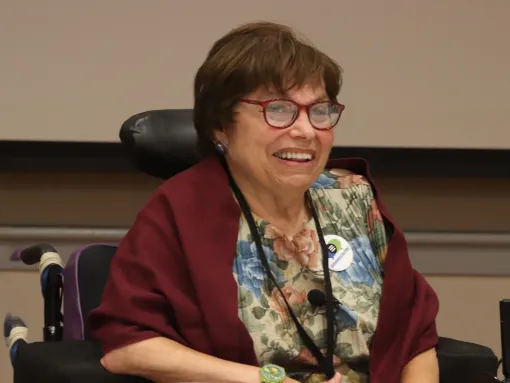
Teach students about disability rights activist Judy Heumann and what work in schools and communities still remains.

There are many benefits to humor. A good joke can ease tension in a stressful situation. Humor can connect people and bring them together. Jokes can bring levity to a situation that begs for lightheartedness. Being funny can signal to others who you are. Humor can even open a conversation that previously felt closed or off-limits. However, jokes and humor, when they target social identity groups, can do the opposite. They can make people feel unsafe, disconnected, excluded and…
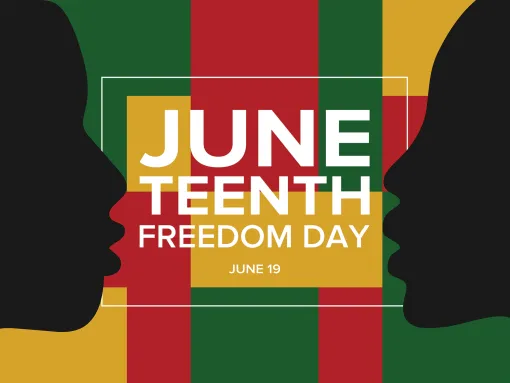
Table Talk: Family Conversations about Current EventsJuneteenth, also known as “Juneteenth Independence Day,” “Emancipation Day,” "Jubilee Day," or “Freedom Day,” is an annual holiday that marks the end of slavery. The holiday’s name is a blending of the words “June” and "nineteenth." Juneteenth commemorates the day in history that Union General Gordon Granger arrived in Galveston, Texas and informed the enslaved…

Increase your awareness of religious obligations and ethnic and cultural festivities that may affect students, colleagues and neighbors in your community.
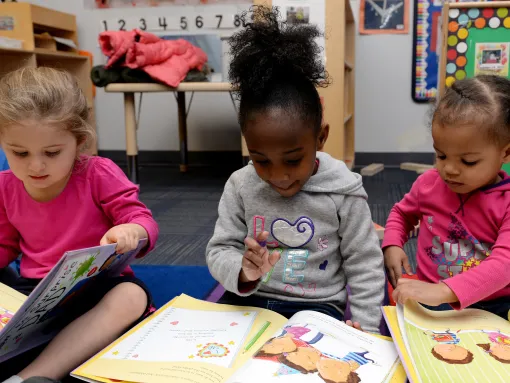
For parents, families and young people Topic SummaryIn recent years, there has been a lot of attention paid to the diversity of children’s books, shining a light on the lack of diversity and amplifying the need for more children’s and young adult literature that reflects our multicultural society. In 2014, an organization named We Need Diverse Books formed, following a regularly trending hashtag with the same name (#WeNeedDiverseBooks) that helped bring attention to the issue. We…
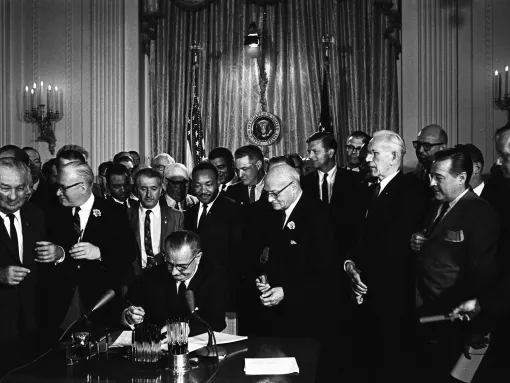
Teach students about the history of discrimination and racism in the U.S., the struggle for civil rights and the Civil Rights Act of 1964.
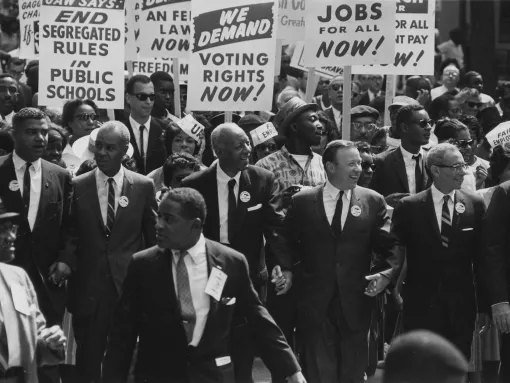
The Civil Rights Movement of the 1950’s and 1960’s came about out of the need and desire for equality and freedom for African Americans and other people of color. Nearly one hundred years after slavery was abolished, there was widespread segregation, discrimination, disenfranchisement and racially motivated violence that permeated all personal and structural aspects of life for black people. “Jim Crow” laws at the local and state levels barred African Americans from…