Table Talk: Family Conversations about Current EventsYou may have heard about “swatting” because it's been in the news recently. What exactly is swatting? Why do people do it? Because young people are exposed to swatting online, on both mainstream websites and the “dark web” (i.e., hidden websites) and because some swatting incidents begin in online gaming or other digital platforms, it is an important topic to discuss with young people. Swatting is &ldquo…
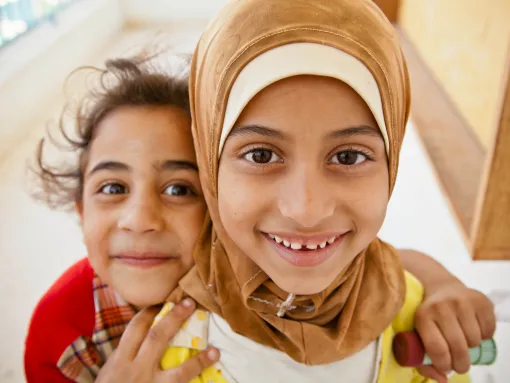
Table Talk: Family Conversations About Current EventsWhen there are periods of heightened violence and war in the news, oftentimes one or more marginalized identity groups can become the focus of attention, anger, hostility and bias even far removed from the location of the conflict. When there is conflict in the Middle East, Muslims and Muslim Americans often face such hostility, bias and even violence. With the continued scrutiny and conflict with Israel since 2023, ADL has tracked an uptick…
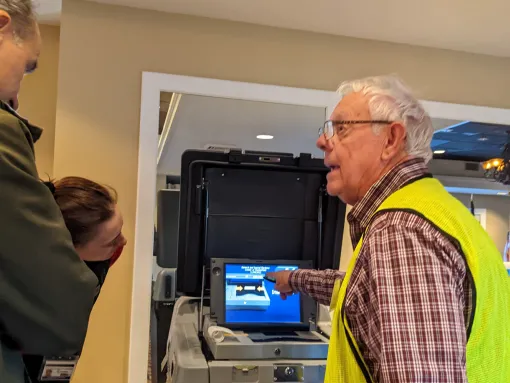
Table Talk: Family Conversations about Current EventsIn its simplest terms, voting is an act of expressing your opinion. Whether you participate in a poll, take an online survey or vote in the Presidential election, you are expressing an opinion or point of view with your vote. Merriam Webster defines voting as “to express one's views in response to a poll” or “to express an opinion.” In political elections, people vote for a variety of offices and laws. This includes…
Finding the Balance: Countering Extremism and Combating Stereotypes
Tools and Strategies
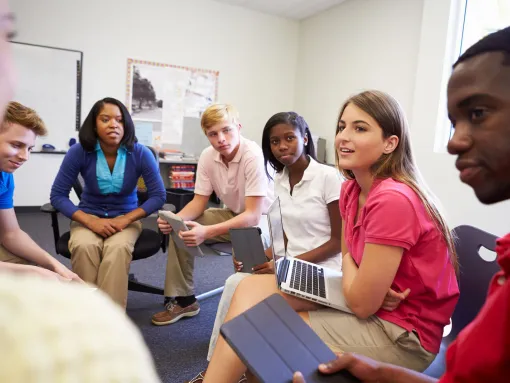
Young people are exposed to discussions of extremism every day through social media, news and overheard conversations between adults. As an educators, the topic can be challenging to teach because the situation is always changing and evolving and worse--classroom conversations can themselves lead to stereotyping, bias and bigotry when discussing perpetrators, targets and victims. The following resources will help you teach about extremism while ensuring that the…