Explore our short, self-guided learning modules to help familiarize educators with ADL's anti-bias framework, core themes and topics.
21 Results
Back
Provides information about antisemitic bullying, how it takes places in schools and among young people and what educators can do.

The Anti-Bias Framework recognizes and builds an understanding of bias and takes steps to address it.

This resource assists parents, families and caregivers when an antisemitic incident happens at school. It includes tools and guidance to support the young person and to help make the school safer and more inclusive for Jewish and all children.

ADL is addressing antisemitism through advocacy and education to help Jewish students, teachers and allies feel safe in the classroom. Explore the toolkits now!

This resource assists parents, families and other trusted adults in understanding and helping the young people in their lives who are facing antisemitism—in school, online, in communities.

Table Talk: Family Conversations about Current EventsAll young people should be able to feel safe, included and respected in their classrooms and schools. Unfortunately, many do not. A recent study of high school students found that nearly four in ten students experienced identity-based bullying or bullying related to an aspect of their identity such as race, religion, sexual orientation, gender identity or physical appearance. How can we listen and learn from young people about…

View this page in Spanish Antisemitism is a topic that has been in the news and is something important to explore and understand. From news stories about vandalism and hate crimes, to celebrities spewing frightening claims and vitriol about Jewish people, to the antisemitic tropes we see in our social media feeds — antisemitism is all around us. What is Antisemitism?Antisemitism refers to prejudice, discrimination, or hostility directed at Jewish people. It is generally based…

When violence is in the news, it’s important to watch out for biases that are present in and activated by news coverage and commentary. When Israel is in the headlines, antisemitic incidents spike and antisemitic rhetoric on social media also increases. Additionally, geopolitical conflicts in the Middle East often activate bias towards people of Middle Eastern descent. War and violence inspire strong emotions, which can activate conscious and unconscious biases about groups of people. It…
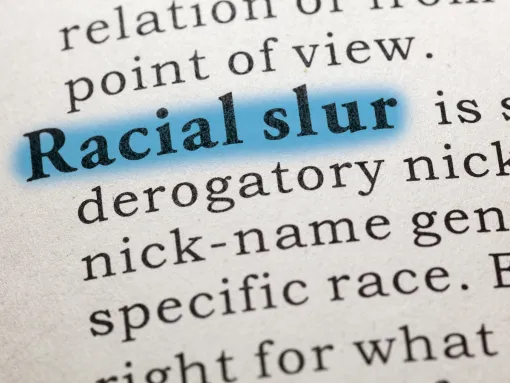
Teach students about the history of the N-word, its harm and impact and engage them in exploring school-based scenarios.

Engage your family in the conversation about tweens and their experiences in digital spaces and with cyberbullying.
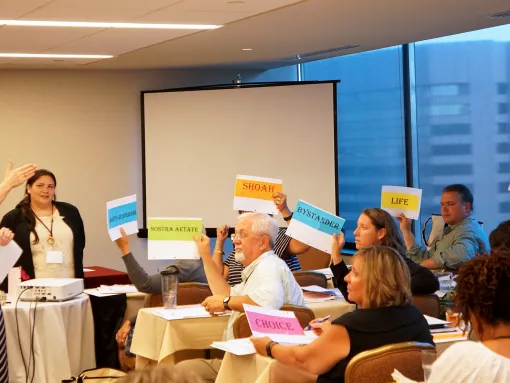
Build skills to recognize and address antisemitism by exploring Jewish identity and unpacking the
definition of antisemitism.
The Pyramid of Hate illustrates the prevalence of bias, hate and oppression in our society. It is organized in escalating levels of attitudes and behavior that grow in complexity from bottom to top. Like a pyramid, the upper levels are supported by the lower levels; unlike a pyramid, the levels are not built consecutively or to demonstrate a ranking of each level. Bias at each level reflects a system of oppression that negatively impacts individuals, institutions and society…
View this page in Spanish Antisemitism is a topic that has been in the news and is something important to explore and understand. From news stories about vandalism and hate crimes, to celebrities spewing frightening claims and vitriol about Jewish people, to the antisemitic tropes we see in our social media feeds — antisemitism is all around us. What is Antisemitism?Antisemitism refers to prejudice, discrimination, or hostility directed at Jewish people. It is generally based…
The Pyramid of Hate illustrates the prevalence of bias, hate and oppression in our society. It is organized in escalating levels of attitudes and behavior that grow in complexity from bottom to top. Like a pyramid, the upper levels are supported by the lower levels; unlike a pyramid, the levels are not built consecutively or to demonstrate a ranking of each level. Bias at each level reflects a system of oppression that negatively impacts individuals, institutions and society…
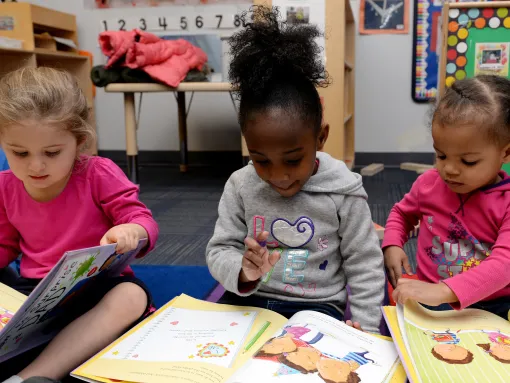
Teach students about the importance of diverse literature and engage them in a study on the diversity of books in their classroom or school library.

Teach students about why slurs are and why they are harmful, helping them explore possible responses to slurs when they hear them.
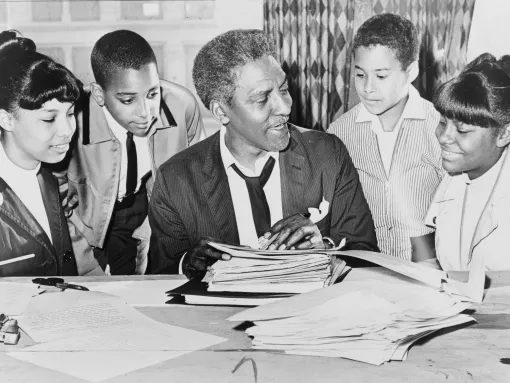
Engage students in activities that get them to think broadly and critically about the Black experience in all of its complexity.
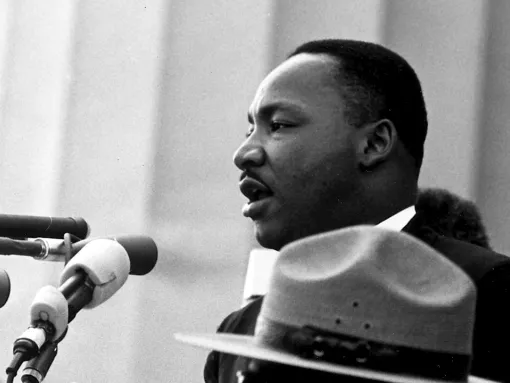
GRADE LEVEL: Elementary School, Middle School, High School
COMMON CORE STANDARDS: Reading, Writing, Speaking and Listening, History/Social Studies In commemoration of Martin Luther King, Jr. Day, this curriculum for grades 3–12 provides grade-specific lessons, resources and extension activities to provide your students opportunities to examine civil rights in the United States past and present. The lessons provide an opportunity for students to delve deeper into Martin Luther King Jr…
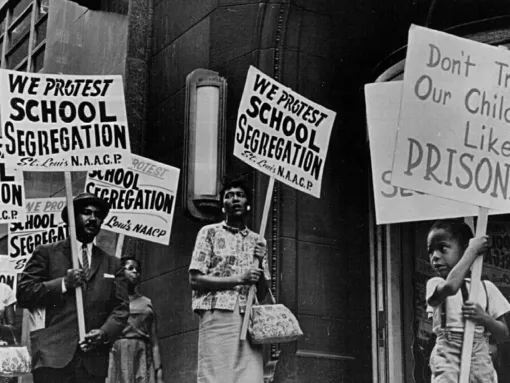
GRADE LEVEL: Middle School, High School COMMON CORE STANDARDS: Reading, Speaking and Listening, Language “We conclude that in the field of public education the doctrine of ‘separate but equal’ has no place. Separate educational facilities are inherently unequal.” These are the words of the landmark Supreme Court decision on May 17, 1954 that declared segregated schools unconstitutional. More than seventy years later, even though much progress has been made, there are…