Teach students about this history of Barbie, reflect on their own experiences with Barbie and consider what identity groups may be missing from Barbie's collection.
Teach students about data from Pew's survey about teens and social media, help them reflect on their own social media use and explore how race, gender and socioeconomic status impact online use.
Teach students what biased language is and help them reflect on the reasons why people use it and how they can address and challenge biased words and language.
Teach students about what gossip and rumors are and the impact they have on others, especially those identity groups which may be more vulnerable to and marginalized by rumors and gossip.
Civics Lesson
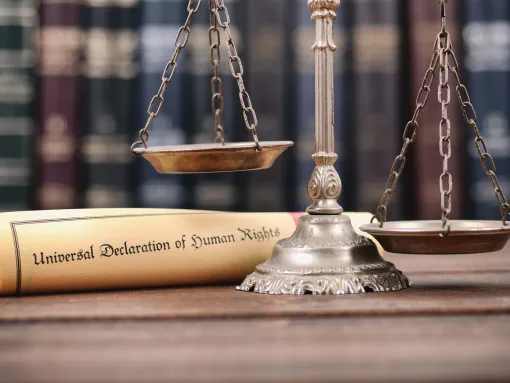
GRADE LEVEL: High School What are Human Rights?
What is the Universal Declaration of Human Rights?
In 1946, in the immediate aftermath of World War II, with hopes of preventing future atrocities, an international committee with varied legal and cultural backgrounds began to draft the Universal Declaration of Human Rights (UDHR). The UDHR was proclaimed by the new United Nations General Assembly in 1948. This document contains 30 Articles that set a standard…
Civics Lesson
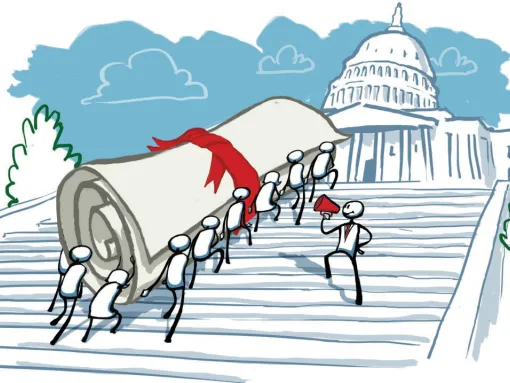
GRADE LEVEL: High School What is the Difference Between a Bill and a Law?
What Bills Have Had Significant Impact on People in the United States?
Why Do Some Bills Pass into Law and Others Do Not?
In 1976, Schoolhouse Rock! released “I’m Just a Bill,” an animated video with a catchy tune that educated students around the U.S. about bills. Since then, music has changed, graphics in videos have changed but the actual process of becoming…
Civics Lesson
GRADE LEVEL: High School How Do Lobbyists Impact the Democratic Process?
What are Effective Ways of Lobbying?
How Might I Lobby for My Bill?
“Lobbying” is an effort by individuals and groups to influence government decisions and actions, and specifically the writing of laws. Lobbying can take different forms including writing letters, making phone calls to legislators and meeting with people in the administration. As student activism in…
Echoes & Reflections: Teaching the HolocaustGRADE LEVEL: Middle School, High School
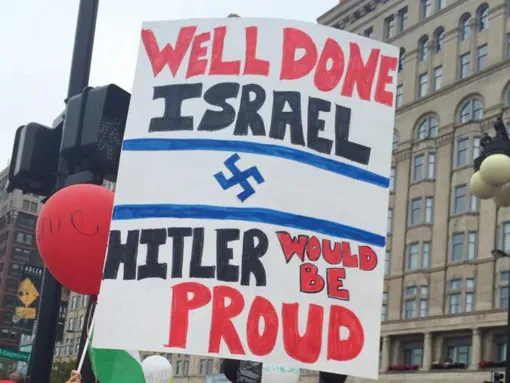
COMMON CORE STANDARDS: Reading, Writing, Speaking and Listening, Language The lessons in this unit increase students’ understanding of Jewish people and awareness that antisemitism did not end after the Holocaust, and provide them with opportunities to learn about the persistence of antisemitism in its contemporary forms. Students investigate the ways in which old ideas about Jews and Judaism have…
GRADE LEVEL: High School
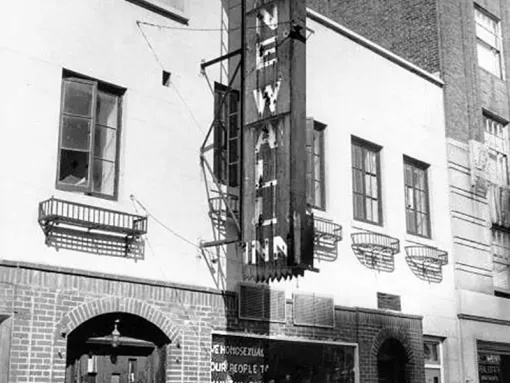
COMMON CORE STANDARDS: Reading, Writing, Speaking & Listening, Language On June 28, 1969, the Stonewall uprising took place. It began in the early morning at the Stonewall Inn, a gay bar in New York City. As was typical during that time period, police officers entered the bar and arrested employees for selling alcohol without a liquor license, roughed up customers, cleared the bar and arrested customers for not wearing at least three articles of …
Teach students about the U.S. women’s soccer team’s lawsuit against the U.S. Soccer Federation and explore how sexism manifests in a variety of ways in women’s sports.